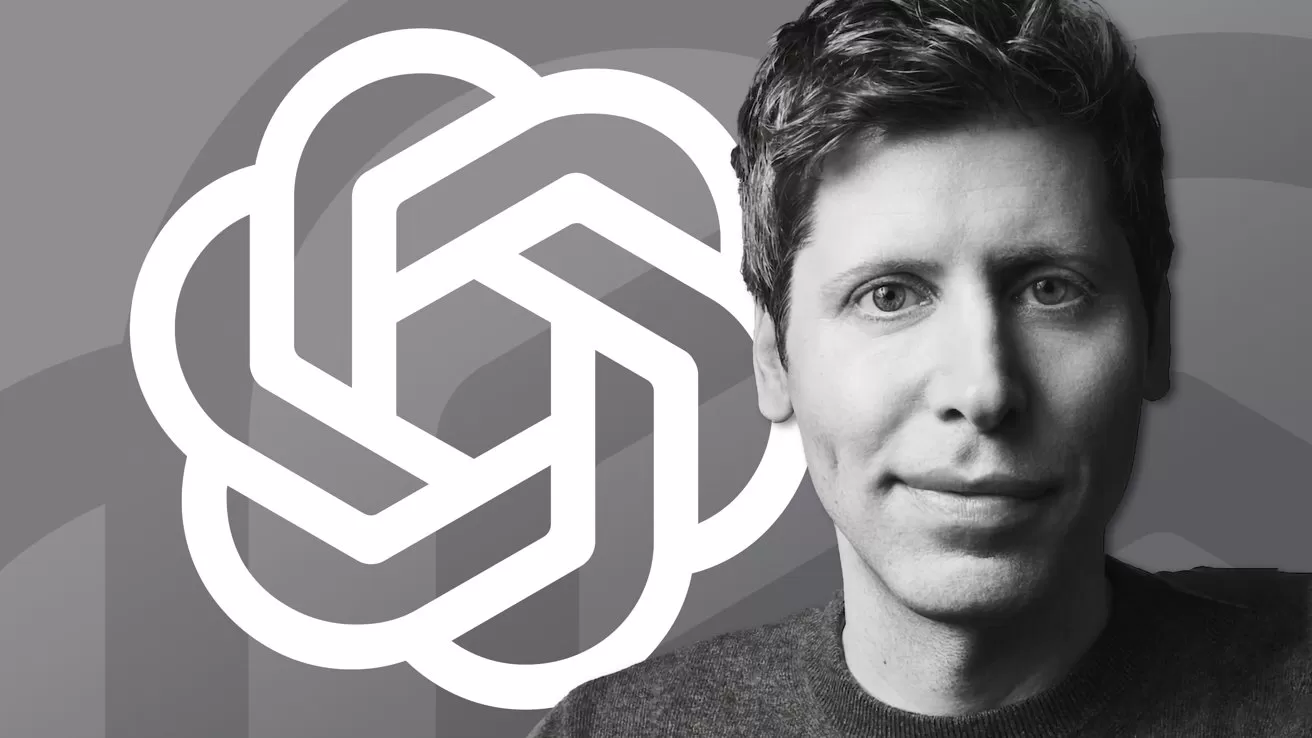
Since its founding, Sam Altman's OpenAI has been at the center of multiple controversies, with Apple's intellectual property theft suit being just the latest chapter. Here's the story so far about what's been alleged over the last decade.
The artificial intelligence development wave has greatly affected the tech industry. As usual, this also includes accusations, threats, and lawsuits.
OpenAI is no different, as it has attracted many different lawsuits in its short existence. As you might expect, Apple is central to some, and peripheral to others.
Here's how OpenAI has fared taking on various litigious foes, including Apple.
Ive leaves Apple, forms LoveFrom, drifts away
After decades as the head of design at Apple, Jony Ive left the company fully in November 2019, after his removal from the official Apple Leadership page.
Ive wasn't the only former Apple designer at LoveFrom. In June 2021, it was reported that he had poached a number of colleagues from the Apple human interface team.
While not under the corporate umbrella, Ive still worked for Apple as part of his design agency LoveFrom. This was confirmed in November 2021, without really going into the detail of what happened.
However, despite maintaining the relationship with the company that he helped turn into a design powerhouse, it was not a permanent arrangement. By 2022, Apple and LoveFrom declined to renew a contract.
As usual for Apple contracts, there was no explanation for the breakup.
Jony Ive may design AI hardware that will compete with Apple-issued
In late September, a pair of reports indicated Ive was working with OpenAI chief Sam Altman on a new project. Specifically, to design new hardware with AI at its core.
Altman wasn't the only major name to work with Ive, as SoftBank CEO Masayoshi Son reportedly got involved with the discussions. There was also the claim that SoftBank could've contributed over $1 billion to the project.
The talks between Ive and Altman were said to be brainstorming sessions at Ive's San Francisco office. They were discussing the kind of technology OpenAI could use, and how it would look like.
Musk cries antitrust as X & Grok can't compete with OpenAI on Apple's App Store
On August 11, 2025, Elon Musk took to X, formerly Twitter, with accusations that Apple was favoring ChatGPT and OpenAI by not featuring Grok or X in the App Store.
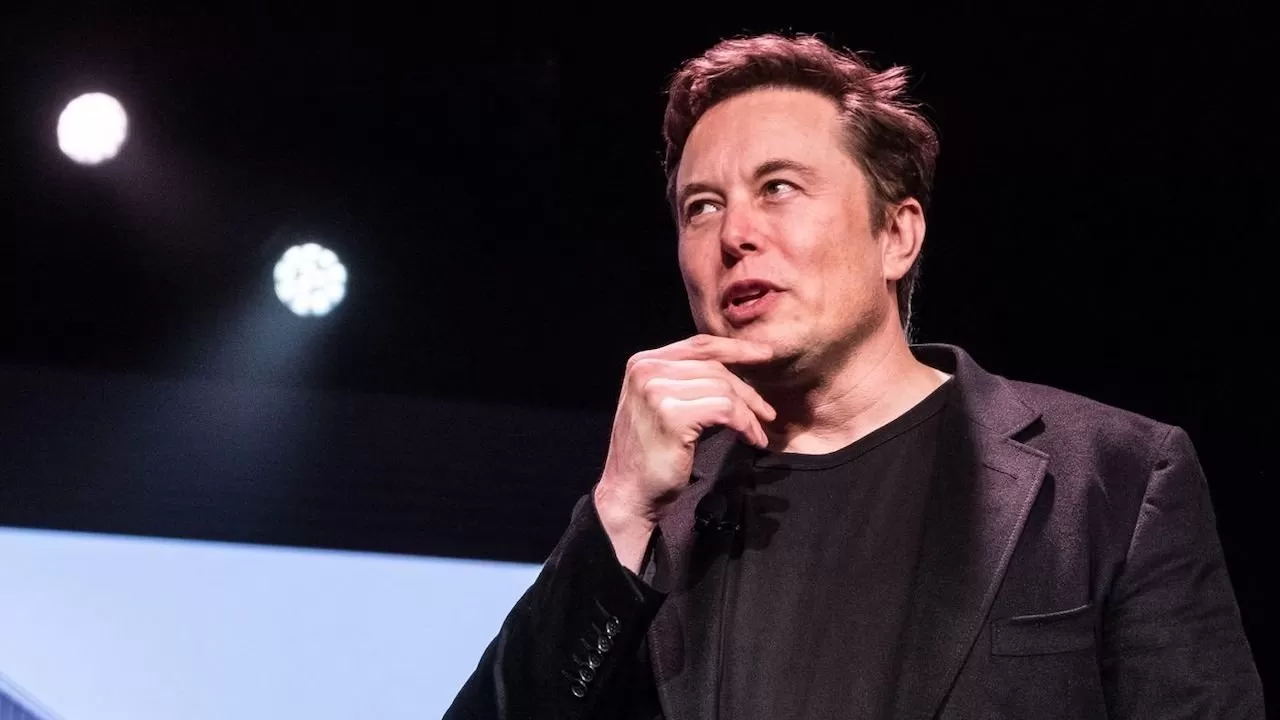
Elon Musk - image credit: Tesla
At the time, X had managed to reach number one in the top free news apps, and was 38 on the top free apps list. Grok, meanwhile, was number six in the free list rankings.
This wasn't enough for Musk, who threatened legal action for alleged antitrust violations. He insisted that Apple's work with OpenAI to integrate ChatGPT into iOS was a sign Apple had a bias against Grok and X.
Musk sues Apple for Grok's App Store position
A few weeks later, on April 25, 2025, Musk followed through with his lawsuit, via xAI. Despite the claim being refuted by online users, Apple, and even Grok AI itself.
As predicted, the lawsuit is concerning AI competition and App Store rankings specifically, and that Apple and OpenAI were claimed to be illegally conspiring to thwart any AI competitors.
It was filed in a U.S. federal court.
Jony Ive promo video pulled by OpenAI over trademark issue
On June 23, 2025, a nine-minute video with former Apple design chief Jony Ive and OpenAI head Sam Altman was pulled from view. At the time, it seemed to be purely about names.
Ive and Altman had been working together for a few years, with a view to creating some form of AI-based product. By April 2025, this had turned into Altman and Ive's startup being referred to as "io Projects."
It would later become "io" as it was sold to OpenAI for $6.5 billion in May 2025.
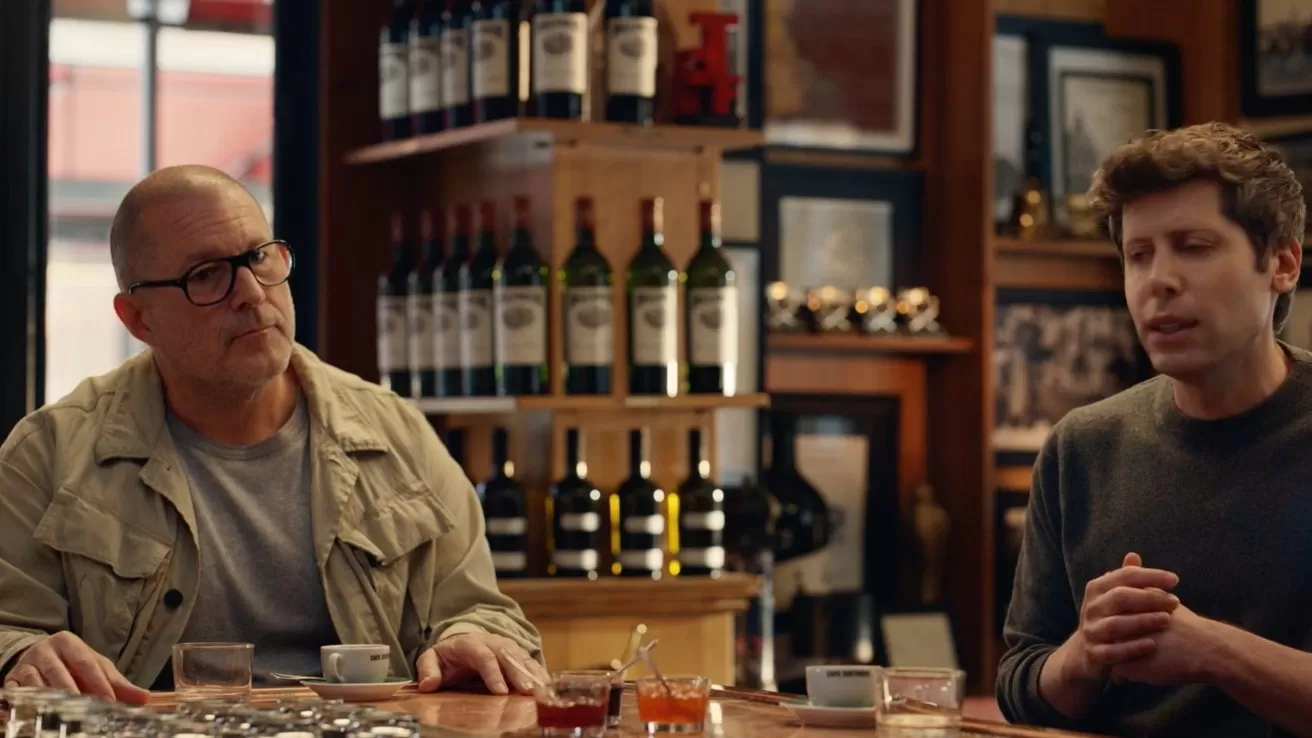
Jony Ive and Sam Altman - Image Credit: OpenAI
By June of that year, a company called iyO took OpenAI to court, with objections over the use of the trademark. The names were very similar, the filing insisted.
It also didn't help that iyO was spawned from the research and development of an Alphabet X project for an AI device relying solely on speech. Because of this, iyO believed there could be considerable confusion between the two companies.
In response, OpenAI took down the announcement, advising it was because of the trademark complaint from iyO.
"We don't agree with the complaint and are reviewing our options," OpenAI said.
OpenAI raids Apple's talent and manufacturing pool for its AI dream
In September 2025, it was reported that OpenAI was going after some of Apple's best people, as well as talking to iPhone component manufacturers.
It was an exodus that was steered by Tang Tan, who said OpenAI offered more freedom, collaboration, and bigger ideas than Apple's slower updates.
Aside from apparent freedom in working and the promise of less bureaucracy, there's also cold hard cash at play. There were stock offers worth more than a million dollars, too.
Tan had managed to recruit Cyrus Daniel Irani from Apple's human interface design team, as well as Erik de Jong from Apple Watch hardware. Then there's Matt Theobald, a 17-year Apple veteran in manufacturing design.
Poaching employees is a very common practice in the tech industry. It's not the first time Apple has been affected by OpenAI doing it, and it won't be the last.
Musk's Grok App Store lawsuit should be thrown out, says Apple
On October 1, 2025, Apple filed to have the Grok lawsuit thrown out. The dismissal motion says that, through Apple partnered with OpenAI, it was "widely known that Apple intends to partner with other generative AI chatbots."
Despite the potential problem of the lawsuit impacting other regulatory action that Apple has to deal with, its lawyers doubt it has teeth. It's a suit based on "speculation on top of speculation," the filing said.
Also, Apple said the Musk suit claimed the company couldn't partner with ChatGPT, "without simultaneously partnering with every other generative AI chatbot, regardless of quality, privacy or safety considerations, technical feasibility, stage of development, or commercial terms."
Having summarized Musk's case with this, the lawyers added: "Of course, the antitrust laws do not require that."
Despite attempting to get rid of the lawsuit, Apple instead had to face the music. On November 13, 2026, the request for dismissal was denied.
xAI accused of destroying evidence in OpenAI & Apple antitrust lawsuit
OpenAI accused xAI of both destroying and withholding evidence on February 3, 2026.
On the destroying side, OpenAI accused Musk's company of using ephemeral messaging apps. That is, apps with built-in timers to destroy messages and attachments after a specific period of time.
"Destroying evidence was the whole point," argued OpenAI. xAI's move "leaves OpenAI and the other targets of Musk's litigation at an inequitable disadvantage.
It wasn't just damaging evidence, but also withholding documents. OpenAI said at the time that xAI had "not produced a single nonpublic document concerning the substance of their allegations or that OpenAI could use in its defense."
This led to OpenAI pursuing a court order preventing xAI employees from using ephemeral messaging apps in the future.
Not to be outdone, xAI tried to make requests to see OpenAI's source code, as well as compelling former OpenAI Head of Alignment Jan Leike to be compelled to provide documentation.
Both of those requests were denied.
iPhone hardware engineers allegedly get bonuses as Apple tries to prevent poaching
Keen to prevent an AI brain drain, on March 26, 2026, it was reported that Apple was trying to keep its employees. To do that, it approved substantial bonuses for its iPhone hardware engineers.
"Out-of-cycle" bonuses worth several hundred thousand dollars were reportedly approved for members of the iPhone Product Design Team.
This, again, isn't new to Apple, as it did the same thing in 2021. However, while that effort was seemingly unsuccessful, even with $180,000 bonuses being handed out, maybe the 2026 remix will fare better.
OpenAI's iyO situation gets worse with trade secret claims
On April 23, 2026, iyO managed to convince the U.S. District Court of California to grant a preliminary injunction against OpenAI, Sam Altman, Jony Ive, and io Products. It prevents the use of the "io" name for the moment, until the lawsuit has concluded at a minimum.
However, iyO amended the complaint on March 13 with new allegations of trade secret theft and corporate espionage.
This also brought Apple into the lawsuit, because it involved Tang Yew Tan. The former vice president of product at Apple left the company in February 2024, before becoming a co-founder of io Products and Chief Hardware Officer at OpenAI.
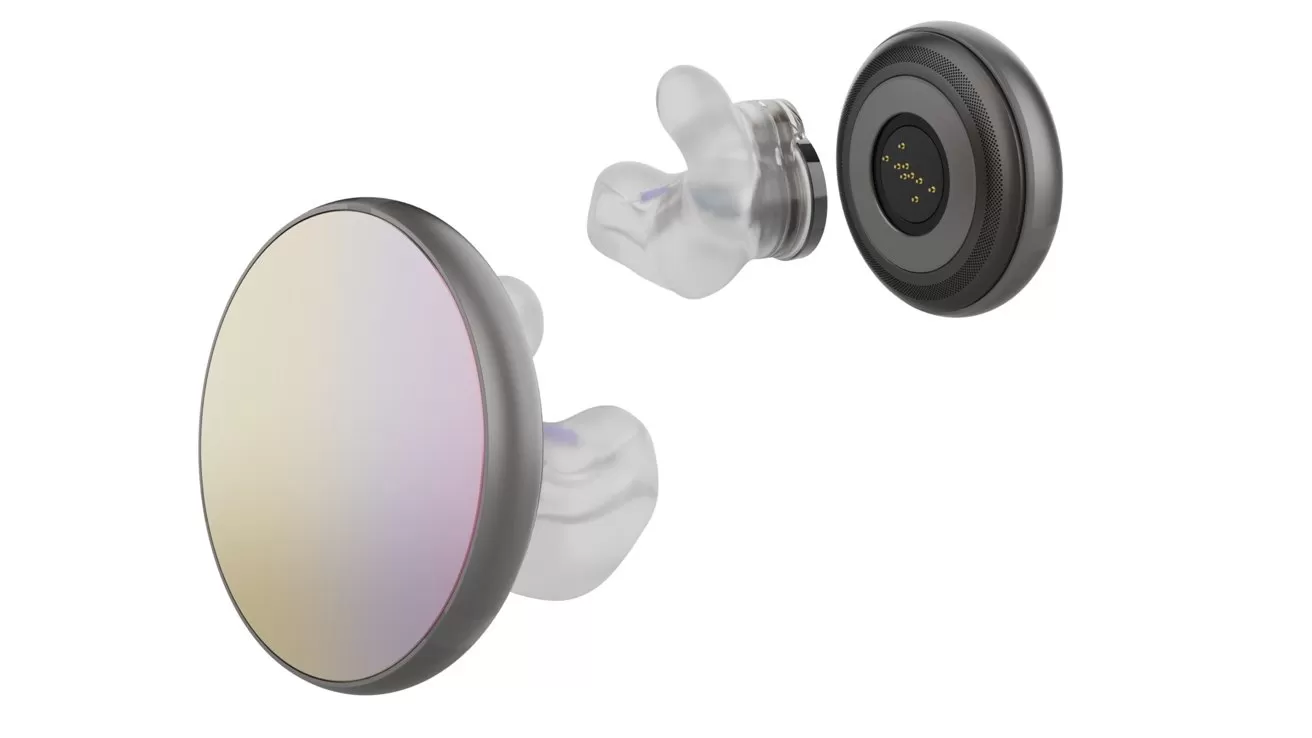
iyO One - Image Credit: iyo
According to iyO's public recounting, iYo's TED talk was published in May 2024. Just 11 days after the talk, Tan pre-ordered the iyO One, an ear-worn agentic computer.
Nine days later, Tan contacted Dan Sargent, iyO's design and manufacturing lead, to arrange a dinner meeting in June.
It is then alleged that forensic analysis of Sargent's notebook revealed that, ahead of the dinner, Sargent downloaded 33 confidential files, accessed dormant IP folders, and exported 17 CAD files into formats unused by iyO.
Sargent later admitted to bringing prototypes to show Tan at the dinner.
After the May 2025 acquisition, iyO CEO Jason Rugolo allegedly confronted Sam Altman over the name and the trademark.
Craig Federighi dragged into Musk's Apple-OpenAI lawsuit
It was revealed on May 16, 2026, that Apple software chief Craig Federighi had to take part in the xAI antitrust lawsuit against Apple and OpenAI. However, Tim Cook seemingly wouldn't be participating.
The filing on May 13 attempted to make both Federighi and Cook custodians, being parties who are most likely to have pertinent information or sufficient access to details for the lawsuit.
The court granted that Federighi should be a custodian, due to arguments that he may have "unique relevant evidence." This apparently included information about Apple's integration of OpenAI services into Apple Intelligence.
That said, the court rejected turning Cook into a custodian. There was no explanation from the plaintiffs for how Cook would have any unique relevant evidence that hadn't already been produced or wouldn't be provided by Federighi.
As a result, Federighi was given the duty to provide responsive discoverable documents by June 17, 2026.
Elon Musk's SpaceX & Tesla email accounts must be handed over in Apple lawsuit
During discovery in the xAI-Apple-OpenAI lawsuit, Musk objected to turning over relevant emails for the lawsuit. On June 2, 2026, Judge Mark Pittman responded, saying they should be submitted.
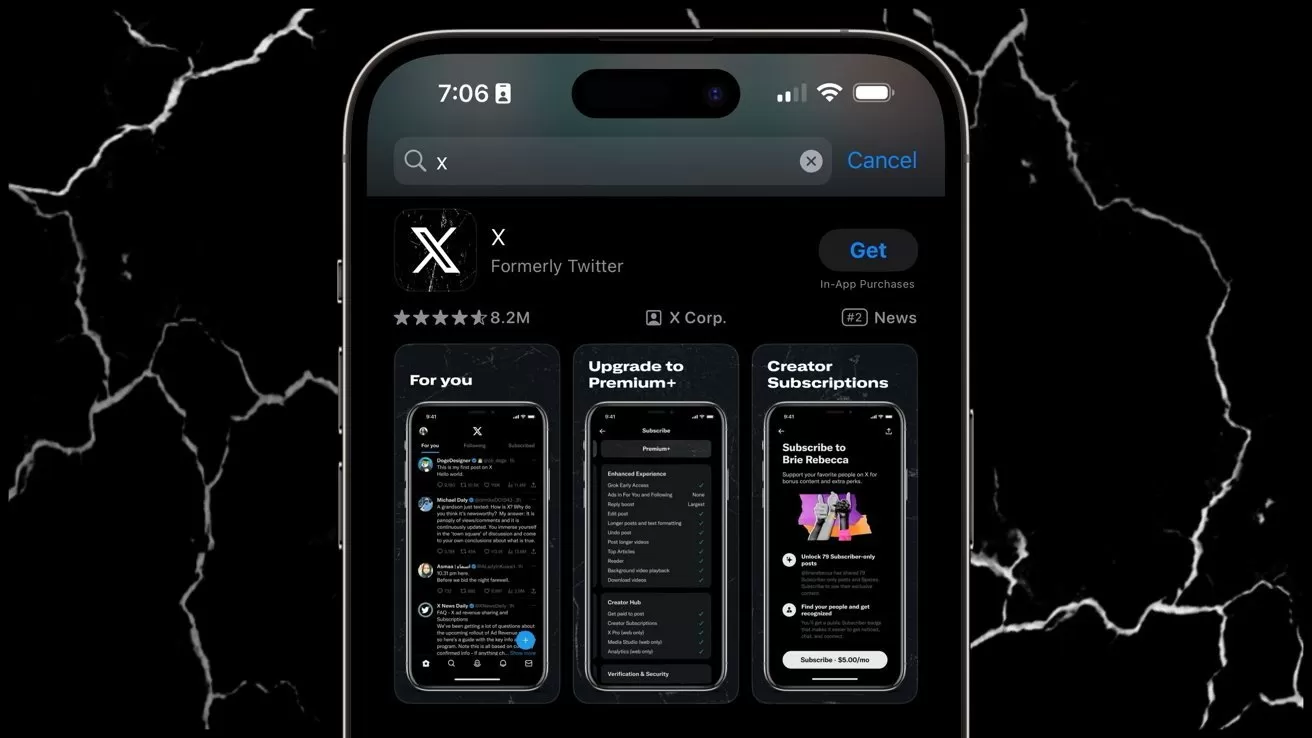
Elon Musk's lawsuit against Apple isn't going his way
Musk's objections were overturned, and the judge ordered that business email accounts used by Musk for SpaceX and Tesla must be turned over for discovery.
Despite the lawsuit being brought on by X and xAI, the latter at the time owned by SpaceX, Musk's usage of several email accounts meant that evidence for the case could be hidden in those of his other companies.
OpenAI poaches another Apple hardware executive
On June 26, 2026, it was revealed that Apple wasn't managing to retain its high-ranking employees from being poached by OpenAI. Long-time Apple executive Paul Meade joined the list of people who moved from Cupertino for Mission Bay.
Meade was the vice president of hardware engineering for the Vision Products Group. He had been at Apple for over 15 years, starting as an iPad manager before overseeing iPhone program management two years later.
He joined the Vision Products Group in 2017, then overtook all hardware engineering for the Apple Vision Pro in 2019.
Apple sues OpenAI & previous VP of product design over mass IP theft
After being included in other people's lawsuits, Apple decided it wanted to launch its own. On July 10, 2026, it filed against OpenAI over two ex-employees stealing its intellectual property to aid OpenAI's development efforts.
The two defendants were named as Tang Yew Tan once again, as well as Chang Liu. Apple claims that, for months after leaving Apple, they stole and used Apple's IP.
Liu failed to return Apple-issued hardware, that was still authenticated to access Apple's networks. Liu also allegedly told Apple colleague Yu-Ting "Alyssa" Peng that he was planning to access Apple information.
Liu then reportedly exploited an authentication bug to access shared network folders.
Peng later left Apple, but continued communication over Line with Liu. Peng then got hired by OpenAI in April 2026, but had not been sued at the time of the filing.
For Tan, Apple alleges that he emailed himself information about Apple suppliers. In some cases, those suppliers were fooled into sharing metal finishing techniques.
He also supposedly directed candidates to bring unreleased hardware components from Apple to their OpenAI job interviews to get more current information.
OpenAI also allegedly told new hires how to avoid Apple's scrutiny when leaving the company. This apparently included staying at Apple for as long as possible before onboarding at OpenAI, and not to tell Apple where they are headed.
Apple apparently knows because it says Tan sent messages to Apple-issued work devices. However, when Apple reached out to OpenAI about the leaks, OpenAI didn't respond.
The filing, at the US District Court, San Jose Division, seeks judgment, an injunction against the use and possession of Apple's OP, the return of Apple's property, damages, and royalties for the use of said property.
An admission of respect
Lawsuits between companies can be painful affairs that drag up dirty laundry as each side battles in court. But even so, executives can still express good sentiments about the opposing side.
On July 11, Elon Musk and Sam Altman sniped at each other on the Musk-owned X. The conversation was started by Musk validating a post that referred to an earlier message by Musk accusing Altman of being "super good at scamming."
Responding to Musk's insistence that Altman "takes scamming to a whole new level," Altman retorted "homeboy you're the one selling public market investors on short-term space datacenters."
While the schoolyard name-calling session by the super-rich is entertaining, it did include a bit about Apple.
One X observer pointed out that Altman's writing showed he wasn't "afraid" of Musk's taunts. But simultaneously, they apparently showed Altman was "terrified of Apple."
Altman took a moment to respond. "i am not afraid of apple," he typed completely in lowercase, "but i have tremendous respect for them. s-tier company."